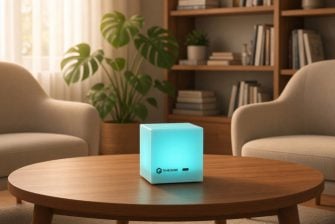

What if the greatest obstacle to your therapeutic presence is the hidden cognitive cost of managing the room itself? Many practitioners struggle with a persistent mental split, where one half of the mind listens deeply while the other half monitors the clock. This internal friction often leads to abrupt session endings that disrupt a client’s emotional state and leave you feeling cognitively depleted. Finding the right tools for holding therapeutic space is not just about office decor. It’s about protecting your capacity to stay centered during high-intensity sessions.
You deserve an environment that works as hard as you do to maintain a stable container. By prioritizing sensory-first management, you can offload the manual tasks of session timing to your physical surroundings. This article explores how to curate a space that reduces cognitive fatigue and allows for seamless transitions. We’ll examine the psychological benefits of using minimalist hardware and subconscious cues to transform your office into a more tranquil, distraction-free sanctuary for healing. You’ll discover how a sensory-first approach can finally bridge the gap between clinical precision and human connection.
Key Takeaways
- Understand how the split-attention effect creates cognitive fatigue and learn to prioritize deep presence over manual time monitoring.
- Discover how sensory architecture, including soft lighting and soundscaping, regulates the nervous system and creates a secure psychological container.
- Evaluate the specific tools for holding therapeutic space that allow for subconscious awareness without breaking eye contact or rapport.
- Explore the psychological impact of traditional clocks and why digital countdowns often trigger client anxiety during intense processing.
- Learn to implement gentle session transitions using color-coded visual cues that signal the session arc without verbal interruption.
The Cognitive Load of Holding Therapeutic Space
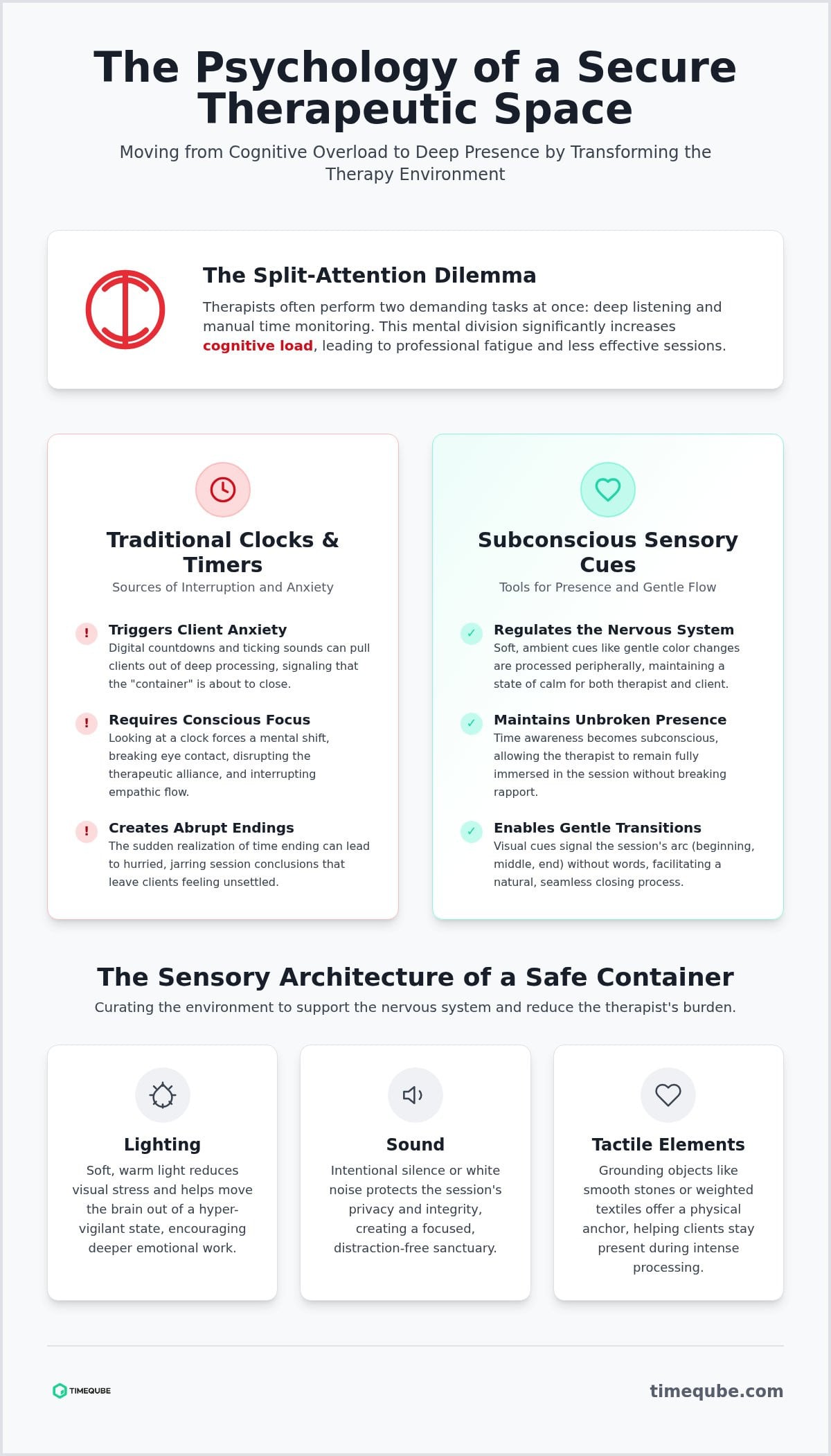
Holding space is the deliberate creation of a safe, psychological container where a client feels heard and secure. It’s a high-intensity cognitive task that requires more than just active listening. While the therapist provides empathy, their brain often performs a secondary, taxing function: monitoring the session’s progress. This creates a split-attention effect. One part of the mind engages with the client’s emotional narrative while the other part tracks the remaining minutes. This mental fragmentation significantly increases the clinician’s cognitive load. Finding the right tools for holding therapeutic space is essential for maintaining this delicate balance and preventing professional burnout.
Utilizing specific tools for holding therapeutic space allows for cognitive offloading. When you delegate the task of time tracking to a reliable, non-intrusive system, you free up mental resources for deeper clinical work. This transition from active monitoring to passive awareness is essential for maintaining the therapeutic alliance. It ensures that the therapist remains a steady presence rather than a distracted observer. Reducing this mental friction is a fundamental step in protecting both the practitioner’s well-being and the client’s progress.
The Psychology of Presence
Presence is a biological state rather than just a professional goal. The human subconscious constantly scans the environment for cues of safety or threat. If a therapist feels subtle pressure about a session ending, their body language often betrays this anxiety. A slight shift in posture or a quick glance at a wristwatch can signal to the client that the “container” is no longer secure. The container must be both a physical and mental construct that remains stable throughout the hour. When the therapist is fully present, the client’s nervous system can more easily regulate itself, facilitating deeper emotional processing.
Identifying Friction in the Therapy Room
Environmental friction often goes unnoticed, yet it silently degrades the quality of the therapeutic session. Common stressors include the audible tick of a manual clock, the vibration of a digital notification, or the glare of harsh fluorescent lighting. These inputs force the brain to process irrelevant data during moments of high emotional intensity. When a clinician experiences “time anxiety,” it manifests in physical tension that the client subconsciously mirrors. Environmental friction is any sensory input that pulls the therapist out of the present moment. Identifying these friction points is the first step in curating a more effective and tranquil therapeutic environment.
The Sensory Architecture of a Safe Container
A therapeutic space is more than a room; it’s a biological extension of the clinician’s presence. Every sensory input within this space either supports or disrupts the nervous system. To build a truly secure container, practitioners must consider how lighting, sound, and touch influence a client’s state of mind. Soft, warm lighting is one of the most effective tools for holding therapeutic space. It reduces visual stress and encourages the amygdala to move out of a hyper-vigilant state. This physiological shift is necessary for deep emotional work.
Tactile elements also facilitate co-regulation. Providing grounding objects, such as smooth river stones or weighted textiles, gives clients a physical anchor during intense processing. These objects help the body stay present when the mind wants to retreat. Similarly, soundscaping protects the integrity of the room. Using white noise or intentional silence ensures that the session remains a private sanctuary. When these elements work together, the environment itself begins to hold the client, reducing the burden on the therapist.
Visual Cues and Subconscious Processing
Visual information is processed in two distinct ways: central focus and peripheral awareness. Digital clocks require central focus, which forces the brain to pause its current task to decode numbers. This interruption breaks the flow of empathy. Peripheral vision is different. It’s more closely linked to our primal sense of safety and the parasympathetic nervous system. Research shows that visual cues beat digital clocks because they communicate through the subconscious. Ambient light that changes color slowly allows the therapist to track time without ever looking away from the client. It’s a sophisticated way to maintain awareness while staying fully immersed in the therapeutic alliance.
Managing Auditory Stimuli
In the quiet of a therapy session, repetitive sounds can become magnified. The persistent ticking of a traditional clock often creates a “countdown” anxiety that hinders vulnerability. For neurodivergent clients, these auditory triggers can be particularly distressing. High-quality tools for holding therapeutic space prioritize silence and non-verbal communication. By replacing audible alerts with gentle visual signals, you can guide the session’s rhythm without saying a word. This minimalist approach respects the client’s sensory limits and prevents unnecessary interruptions. For those looking to refine their office environment, the Timeqube for Mind edition offers a hardware-focused solution that aligns with these sensory principles.
Why Traditional Clocks Disrupt the Therapeutic Alliance
Traditional timekeeping tools often act as an invisible wall between the clinician and the client. When a therapist glances at a clock, they trigger the “Stare Effect.” This brief break in eye contact can be interpreted by the client as a loss of interest or a signal that their time is running out. It disrupts the flow of empathy and can cause the client to self-censor or rush their narrative. While many practitioners consider these devices standard tools for holding therapeutic space, their presence often creates more psychological friction than they resolve. The act of looking away to decode a number is a micro-rejection of the client’s presence.
Digital countdowns are particularly problematic in clinical settings. They foster a sense of “ticking bomb” anxiety, where the focus shifts from emotional processing to the impending deadline. This artificial urgency is the antithesis of the calm, expansive environment required for deep healing. Similarly, using a smartphone as a timer introduces blue light and the risk of digital interruptions. Even a silenced phone carries the psychological weight of the outside world and the distractions it contains. To protect the therapeutic alliance, we must move away from tools that demand active, conscious monitoring during moments of vulnerability.
The Myth of the ‘Quick Peek’
Many therapists believe they can check the time without the client noticing. However, humans are highly sensitive to micro-expressions and subtle shifts in gaze. A quick peek requires the brain to switch from an emotional, right-brain state to a logical, left-brain state to decode numerical data. This cognitive shift is rarely as subtle as the practitioner hopes. A numerical clock demands central focus, whereas visual light timers engage the subconscious peripheral vision. By using peripheral cues, you maintain the “holding” part of the session without the mental jump required by digits.
Digital vs. Analog vs. Visual
Choosing the right tools for holding therapeutic space involves understanding the different impacts of timekeeping hardware. Hourglasses offer a softer aesthetic than digital screens, but they are often imprecise and require manual flipping, which creates its own distraction. Digital clocks are the most disruptive because they provide high-contrast, constantly changing data that the brain is hardwired to track. Visual timers represent a sophisticated middle ground that prioritizes the needs of the nervous system. This approach is particularly effective for neurodivergent individuals who may struggle with traditional time structures. You can find more on this in this guide on time management for neurodiversity. These sensory-first tools ensure that time remains a gentle boundary rather than a source of stress or distraction.
Curating Your Toolkit: Essential Tools for Practitioners
Building a professional toolkit is an act of clinical intentionality. It’s about selecting objects that serve a specific psychological purpose rather than just filling a room. Grounding objects, such as smooth river stones or sensory fabrics, provide a physical anchor for clients during high-intensity moments. These items aren’t merely decorative. They are functional components of the therapeutic container that facilitate co-regulation. When you curate your tools for holding therapeutic space, you’re designing a system that supports the client’s nervous system through every stage of the session.
Creating a transition ritual is a vital part of this toolkit. This involves using physical actions or sensory cues to signal the beginning or end of a session. A transition ritual helps the client “enter” and “exit” the psychological container safely. It ensures they leave feeling grounded rather than abruptly ejected from a vulnerable emotional state. By using consistent, non-verbal signals, you create a sense of predictability and safety that digital tools simply cannot replicate.
Lighting and Atmosphere
Lighting is a primary regulator of human perception and mood. Static light sources like salt lamps offer a warm glow, but intelligent ambient tools provide more dynamic support for the session arc. Adjusting kelvin levels allows you to shift the room’s energy subconsciously. Cooler, brighter light supports focused intake and cognitive processing. Warmer, dimmer tones encourage deeper emotional vulnerability. Using light as a subtle boundary allows you to segment the session without verbal interruptions. A minimalist aesthetic is also essential. It reduces visual clutter, which in turn lowers the cognitive load for both the therapist and the client.
Tangible Time Management
Physical hardware remains superior to digital applications in clinical settings. A dedicated device removes the threat of notifications and the intrusive blue light of a smartphone screen. It also blends into the office décor, maintaining a professional harmony that doesn’t scream “productivity tool.” When you choose tangible time management tools, you prioritize the client’s mental space over digital convenience. These hardware-focused tools for holding therapeutic space allow you to monitor time through peripheral vision. This ensures that your central focus remains entirely on the human being sitting across from you. For a high-end therapeutic environment, the Timeqube for Mind edition provides a sophisticated, hardware-only solution that respects the sanctity of the therapeutic hour.
Integrating Visual Cues for Gentle Session Transitions
Introducing a visual timer to a client should be handled with clinical intentionality. Rather than positioning it as a rigid clock, frame it as a shared support tool that protects the sanctity of their time. Explain that the device allows both of you to stay fully present without the distraction of manual time-checking. This transparency builds trust and reinforces the idea that the environment is a collaborative container. When clients understand that these tools for holding therapeutic space exist to serve their emotional safety, they often feel more secure in their vulnerability.
Gentle endings are a hallmark of high-quality clinical care. Abrupt transitions often lead to “door-knob” moments, where a client reveals significant trauma just as the session expires. Proactive time signaling through sensory cues helps mitigate this risk. It provides the client with a subconscious roadmap of the session arc, allowing them to pace their disclosures naturally. This approach significantly improves clinical outcomes by ensuring that sessions conclude in a state of regulation rather than emotional upheaval. It’s about respecting the client’s internal process by providing a clear, non-verbal boundary.
The Timeqube Mind Approach
The Timeqube for Mind/Body Therapies is designed to be a silent, unobtrusive ally in the room. Unlike digital screens that demand central focus, its “breathing” light pattern interacts with the peripheral vision. This subtle pulse mirrors a calm respiratory rhythm, which can subconsciously support a client’s mindfulness practice. It exists in the background of the session, providing information without demanding attention. This minimalist design ensures that the therapeutic alliance remains the primary focus while the hardware handles the logistical burden of time management.
Step-by-Step Transition Protocol
Implementing a transition protocol using color-coded signals creates a predictable rhythm for every session. You can set the timer to match your specific session length, allowing the hardware to guide the flow through three distinct phases:
- Green Phase: Signifies the core period of deep work and emotional exploration where the flow is uninterrupted.
- Yellow Phase: Acts as a gentle signal to begin the summary and grounding process; this is the time to consolidate insights.
- Red Phase: Serves as a non-verbal call to closure, indicating that the container is closing for the day and final grounding is required.
This structured yet silent approach is one of the most effective tools for holding therapeutic space. It removes the need for verbal interruptions that can break a client’s train of thought. By using these sensory transitions, you ensure that every session ends with the same level of professional harmony with which it began. The transition feels like a natural conclusion to a shared journey rather than a sudden interruption of a private experience.
Cultivating a Sanctuary for Presence
Creating a truly supportive therapeutic environment requires a shift from manual monitoring toward sensory awareness. By offloading the cognitive burden of time management, you protect your mental space and deepen your clinical presence. We’ve examined how traditional clocks disrupt the therapeutic alliance and why minimalist hardware is essential for a tranquil office. The right tools for holding therapeutic space allow you to maintain eye contact and rapport without the anxiety of digital countdowns. These sensory-first solutions ensure that every session remains a secure container for healing.
Stress-free session management is possible when your environment works in harmony with your nervous system. You can transition sessions with quiet confidence using subconscious visual cues that respect the client’s emotional arc. This approach reduces mental fatigue and enhances professional harmony through elegant, hardware-focused design. It’s time to reclaim your focus and prioritize the human connection at the heart of your practice. Explore the Timeqube Mind for your practice and transform your therapeutic space into a sanctuary of focus. Your presence is your most valuable asset; protect it with intentionality.
Frequently Asked Questions
How do you end a therapy session gently without a clock?
Ending a therapy session gently involves using non-verbal visual cues to signal the transition naturally. Instead of checking a numerical clock, which breaks eye contact and rapport, you can use ambient light transitions. A gradual shift in color allows both the therapist and client to sense the session’s conclusion subconsciously. This method prevents the jarring interruption of a verbal announcement and ensures a smoother emotional landing for the client at the hour’s end.
What are the best sensory tools for a therapy office?
Effective sensory tools include grounding objects like weighted textiles, sound machines for privacy, and adjustable lighting. These tools for holding therapeutic space help regulate the client’s nervous system and create a secure psychological container. Minimalist hardware that provides subconscious feedback is particularly useful for maintaining a distraction-free environment. By reducing environmental friction, you create a more stable space that supports deep emotional work and reduces the cognitive load on the practitioner.
How can I stop checking the time during therapy sessions?
Stop checking the time by shifting from active time tracking to passive awareness using peripheral vision tools. When you use a visual timer that changes color, you don’t need to look away from your client to decode numbers. This allows you to stay fully immersed in the therapeutic alliance. By delegating the task of timekeeping to your physical environment, you eliminate the mental split between listening and monitoring the remaining minutes of the session.
Why are digital timers bad for counseling?
Digital timers create “ticking bomb” anxiety through high-contrast countdowns and constantly changing numerical data. They demand central focus, which forces the brain to switch from an empathic state to a logical one. Digital devices also introduce blue light and the risk of intrusive notifications. These distractions degrade the therapeutic container and can make clients feel rushed or unimportant during moments of high emotional vulnerability or intense processing.
What is ‘holding space’ in a therapeutic context?
Holding space is the intentional creation of a safe, non-judgmental psychological container for a client’s experience. It involves maintaining a stable presence where the client feels heard and secure. This process requires the therapist to manage both their internal state and the external environment. Utilizing specific tools for holding therapeutic space helps offload logistical tasks, allowing the clinician to remain entirely focused on the client’s emotional narrative and the therapeutic alliance.
How do visual timers help neurodivergent clients in therapy?
Visual timers provide a predictable, non-verbal roadmap of the session that respects sensory sensitivities. Many neurodivergent individuals struggle with time blindness or the anxiety associated with traditional numerical clocks. A color-coded light system offers a gentle way to track transitions without the pressure of a ticking sound or a digital countdown. This reduces cognitive overwhelm and helps the client feel more in control of their therapeutic experience while maintaining a sense of safety.
Can ambient light improve client focus during sessions?
Ambient light can significantly influence emotional regulation and focus by interacting with the subconscious. Soft, warm tones encourage the parasympathetic nervous system to engage, facilitating deeper vulnerability and safety. Conversely, subtle shifts in light can signal a move toward grounding and summary at the end of a session. This non-intrusive method of communication keeps the client’s focus on their internal process rather than on external distractions or the passage of time.
What physical tools help reduce therapist burnout?
Hardware-focused tools that offload cognitive tasks are essential for reducing clinician burnout. By using visual signals for time management, therapists can eliminate the mental fatigue caused by constant clock-watching. Other helpful tools include ergonomic seating and sound-masking devices that protect privacy and reduce sensory strain. These physical adjustments ensure that the practitioner’s energy is preserved for clinical work rather than spent on managing environmental friction or constant logistical interruptions during the day.