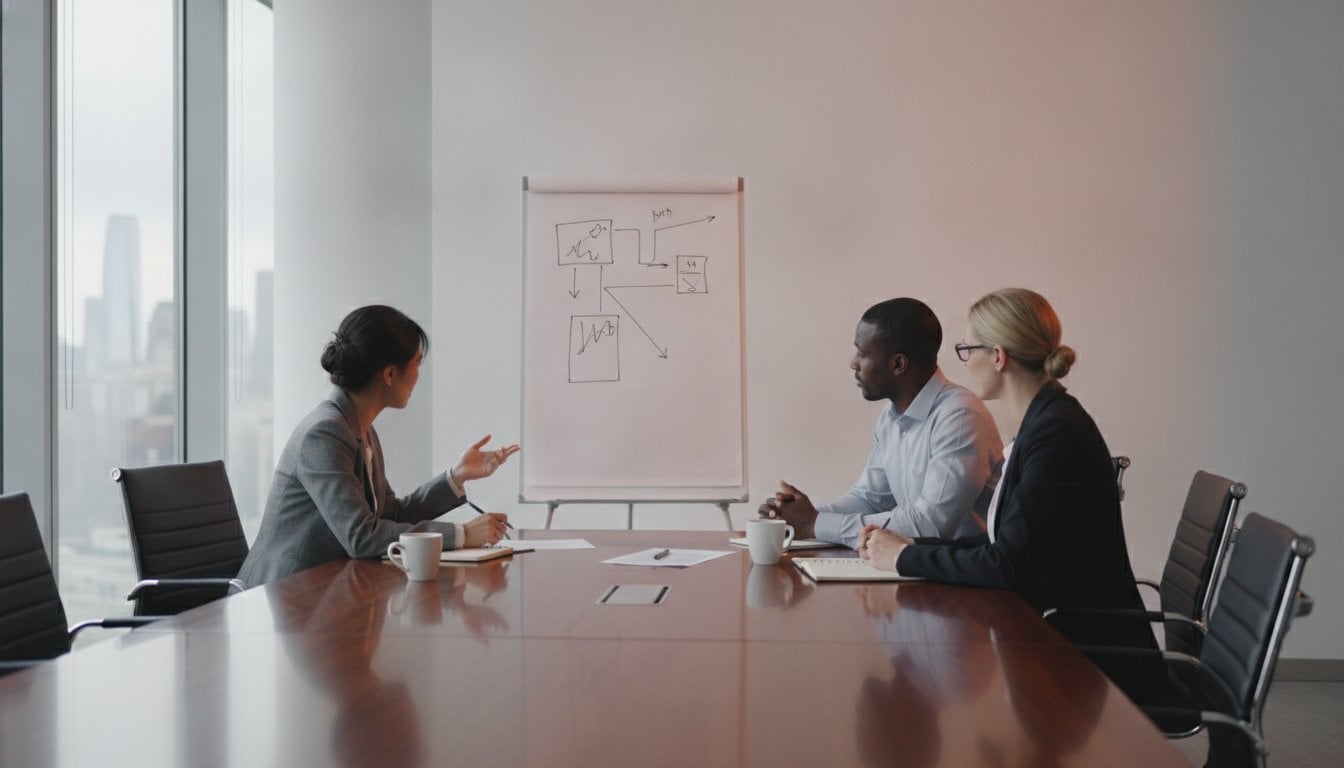

Recent data from January 2026 shows that 78% of workers believe meeting overload prevents them from completing their primary tasks. This friction often stems from the tools we use to manage our schedules. Constant digital notifications and ticking screen clocks create a persistent state of low-level anxiety. You’ve likely felt the pressure of a red countdown timer during a sensitive therapeutic session or a critical strategy meeting. These traditional tools for team time awareness often sabotage the very focus they’re meant to protect.
This article explores how sensory-based biofeedback tools are replacing distracting digital displays to foster stress-free, high-performance environments. By leveraging human peripheral vision, these devices communicate time through subtle color changes rather than intrusive numbers. This shift allows your team to maintain subconscious awareness without breaking their flow. We’ll explore how moving beyond the digital clock leads to fewer overrunning meetings, reduced stress, and a more professional, minimalist workspace that respects your mental limits.
Key Takeaways
- Understand the shift from retrospective time tracking to real-time presence, a change that prioritizes mental clarity in the modern workplace.
- Explore the science of peripheral vision and learn why color-coded signals are more effective tools for team time awareness than alphanumeric clocks.
- Discover the “Notification Paradox” and how hardware-based signals eliminate the cognitive fatigue caused by screen-based alerts.
- Identify the essential traits of professional time cues, focusing on minimalist design and a low distraction-to-value ratio.
- Learn how Timeqube for Business Meetings streamlines corporate communication by providing an unobtrusive, biofeedback-driven environment.
The Evolution of Team Time Awareness: From Tracking to Presence
For decades, professional time management relied on retrospective tracking. Teams were encouraged to log every minute, creating a culture of looking backward to justify the present. This approach is fundamentally flawed. It creates a record of time lost but does little to improve the quality of time spent. As we move into 2026, the global workforce is shifting its focus toward presence. This new paradigm emphasizes real-time awareness over historical data. It prioritizes the preservation of mental space and the removal of digital friction.
Modern professionals understand that focus is a finite resource. Tools for team time awareness must therefore be unobtrusive. They should support the brain’s natural ability to perceive its environment without adding to the noise of the digital landscape. This evolution moves us away from rigid schedules toward a more fluid, psychological approach to productivity. By focusing on the now, teams can achieve a state of professional harmony that tracking alone cannot provide.
The Failure of the Digital Clock
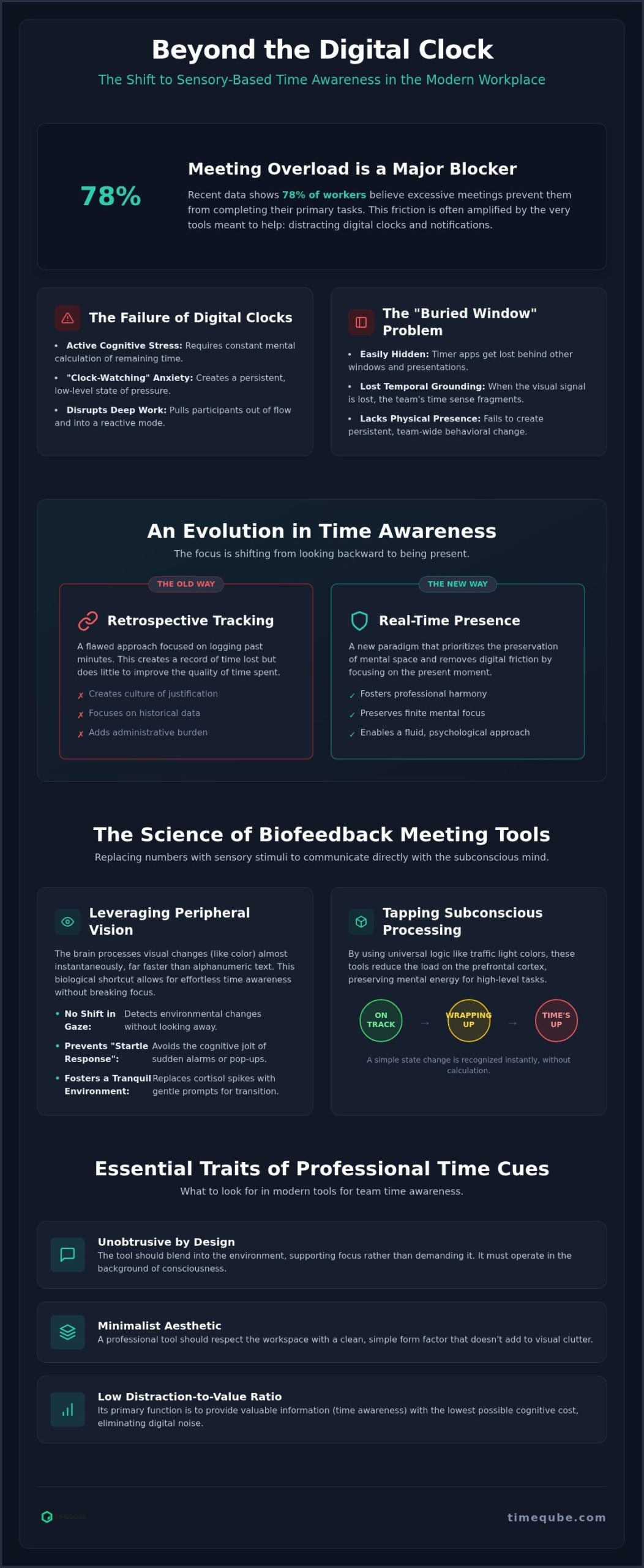
Digital clocks are active stressors in the modern meeting room. They display precise alphanumeric data that requires active cognitive processing. When a team member looks at a digital timer, their brain must perform a series of calculations to determine how much time remains versus how much has passed. This constant mental arithmetic creates a state of “clock-watching” anxiety. It pulls participants out of the deep work state and into a reactive mode.
Software-based timers often fail because they are victims of the “buried window” phenomenon. In a busy digital workspace, a timer app is easily hidden behind browser tabs, chat windows, or presentation slides. When the signal is lost, the team loses its collective temporal grounding. This leads to overrunning sessions and a fragmented sense of urgency that drains mental energy. Without a physical presence, these tools for team time awareness lack the persistence needed for true behavioral change.
Defining Biofeedback Meeting Tools
These advanced instruments represent a sophisticated departure from traditional timers. They are rooted in the study of time in nonverbal communication, which explores how time perception influences human interaction. In a team context, biofeedback involves using physical cues to regulate the group’s internal clock. By replacing numbers with sensory stimuli like color-coded light, these tools communicate data directly to the subconscious mind.
Biofeedback tools are devices that provide real-time sensory data to influence behavior without active thought.
They remove the friction of calculation. For example, a transition from green to amber light provides an immediate, intuitive understanding of time progress. This allows for a more natural flow. Solutions like Timeqube for Business Meetings apply this science to reduce stress and improve team synchronicity through minimalist design and effortless awareness. By engaging the senses, these tools foster a culture of intentionality and respect for the collective focus.
The Science of Biofeedback Meeting Tools and Peripheral Vision
The human brain processes visual stimuli significantly faster than alphanumeric text. While reading a digital clock requires active focus, perceiving a change in color happens almost instantaneously in the subconscious. This biological shortcut is central to effective tools for team time awareness. By utilizing peripheral vision, these tools allow team members to remain fully engaged in a discussion while maintaining a constant, low-level awareness of time. It is a more natural way to interact with our environment.
Peripheral vision is designed to detect environmental changes without requiring a direct shift in gaze. When a meeting tool changes from green to amber, the brain registers this transition without the user needing to look away from their colleagues. This prevents the cognitive “startle response” often triggered by sudden audio alarms or intrusive pop-up notifications. Ambient cues foster a tranquil environment. They replace the spike in cortisol with a gentle prompt for transition, keeping the collective heart rate low and the focus high.
Leveraging Subconscious Processing
The use of universal traffic-light logic creates an intuitive bridge between the device and the user. This system taps into established psychological patterns, reducing the load on the prefrontal cortex. Instead of calculating minutes remaining, the brain simply recognizes a state change. This preserves mental energy for high-level problem solving and creative tasks. Visual cues ensure that deep work flow states remain uninterrupted, as the information is absorbed rather than read. It’s a method that respects the biological limitations of human attention.
Biofeedback and Group Dynamics
In a collaborative setting, biofeedback creates a shared time reality. Everyone in the room sees the same signal simultaneously. This eliminates the need for verbal interruptions like “we have five minutes left,” which often derail a productive conversation. These devices act as a neutral third party. They provide an objective reference point that prevents meetings from overrunning without the need for a human “enforcer.” You can explore this further in our analysis of the science of the professional meeting timer.
When the pressure of the clock is removed, the quality of interaction improves. Teams become more intentional with their contributions. Implementing sensory-based meeting tools allows for a more harmonious professional environment where time is a supportive background element rather than a source of stress.
Digital vs. Analog: Why Software Notifications Fail Teams
Many organizations attempt to mitigate digital distraction by introducing more software. This creates the “Notification Paradox.” It’s the counterintuitive act of using screen-based alerts to manage screen-based fatigue. These tools for team time awareness often add to the noise rather than reducing it. Every notification demands a high cognitive toll. It forces the brain to evaluate the importance of the interruption. This constant assessment drains mental energy and reduces the capacity for deep work.
Hardware signals operate on a different biological level. A physical light doesn’t compete for the cursor. It doesn’t hide behind a browser tab. Hardware also avoids the surveillance-heavy nature of tracking software. Many digital tools rely on invasive data like keystroke logging or screenshotting. This erodes trust. A physical device is a neutral observer. It exists to support the team, not to monitor them. Its physical presence in the workspace creates a shared sense of accountability that software cannot replicate.
The Distraction Factor of Screen-Based Timers
Screen-based timers are inherently disruptive. For creative or technical teams, the “flow state” is fragile. A single pop-up notification can break hours of concentration. Even checking a hidden timer incurs a “tab-switching” penalty. The brain must disengage from the task, locate the timer, and then attempt to re-engage. This process is inefficient. Hardware timers are essential for creating truly distraction-free zones. They provide constant visibility without requiring a context switch.
Visual Cues for Neurodiversity
Biofeedback meeting tools offer significant support for neurodiverse team members. Individuals with ADHD or sensory processing needs often struggle with “time blindness.” Digital clocks can be overwhelming or easily ignored. Constant, gentle visual feedback provides a steady temporal grounding. It reduces the anxiety associated with sudden transitions. For a deeper look at this topic, read our guide on Time Management for Neurodiversity. These inclusive signals ensure the whole team remains synchronized.
Selecting the Best Tools for Team Time Awareness
Choosing the right instruments for a professional environment requires a shift in perspective. Effective tools for team time awareness are defined by their “glanceability.” This is the ability of a device to communicate essential information in a fraction of a second without requiring active attention. In a fast-paced boardroom or a sensitive clinical session, every second spent deciphering a clock is a second lost to the task at hand. A professional-grade tool must prioritize simplicity, durability, and a minimalist aesthetic that complements a modern workspace.
Evaluation should focus on the “distraction-to-value” ratio. Many digital solutions offer high value but come with a high distraction cost due to complex interfaces and notifications. Biofeedback hardware reverses this. It provides maximum temporal grounding with near-zero cognitive friction. These tools integrate seamlessly into existing frameworks like Scrum or Lean. During daily stand-ups or time-boxed sprints, a physical signal provides an objective boundary that keeps the group focused on the agenda rather than the clock.
Key Features to Look For
Professional environments demand specific technical standards. Color-coded transitions should follow universal logic to ensure immediate, intuitive understanding. Brightness is another critical factor. A device used in a large, sunlit boardroom requires higher visibility than one placed in a dim therapy room. Additionally, corporate identity matters. High-end tools often allow for logo customization to ensure the device feels like an integrated part of the professional brand rather than an after-thought.
Implementation Best Practices
Transitioning a team from digital countdowns to ambient awareness requires clear “rules of engagement.” Start by defining what each color signal means for your specific workflow. For example, amber might signal the start of a “closing thoughts” phase. Using these signals to facilitate better “check-ins” and “check-outs” ensures that every participant has equal space to contribute. This structured yet stress-free approach helps teams build a collective rhythm. Over time, the need for verbal time-keeping vanishes, replaced by a shared, subconscious understanding of the meeting’s progress.
If you are ready to remove the friction of digital clocks from your workspace, you can explore Timeqube for Business Meetings to find the right fit for your team.
Timeqube: The Minimalist Standard for Professional Time Cues
Timeqube serves as a dedicated biofeedback meeting tool. It bridges the gap between biological perception and professional efficiency. Unlike software that competes for your focus, this physical device sits quietly in your environment. It’s among the most effective tools for team time awareness because it respects the user’s mental space. Timeqube for Business Meetings streamlines corporate communication by providing a neutral, non-verbal reference point for every participant. This silent mediator prevents overrunning sessions without the need for a human enforcer or a stressful countdown.
The Hardware Advantage
The hardware-only design ensures zero digital distractions. There aren’t any notifications to ignore or windows to minimize. It’s crafted from high-quality materials that align with a minimalist professional aesthetic. For clinical and wellness settings, Timeqube for Mind/Body Therapies addresses the nuances of session management. It allows practitioners to stay deeply present with their clients. They don’t have to break eye contact to check a watch or clock. This maintains the therapeutic bond while ensuring every session concludes with professional precision and calm.
Branding and Productivity
In client-facing boardrooms, Timequbes with Your Logo offer a strategic advantage. They integrate your corporate identity with a visible commitment to mental well-being. This reinforces a brand’s respect for time and collective focus. It signals to partners and clients that the environment is designed for intentionality. A branded Timeqube isn’t just a tool; it’s a statement about your organizational culture. It shows that you value the mental space of everyone in the room. This commitment to a refined professional atmosphere is shared by premium venues like Quob Park Estate, Hotel & Spa, which prioritize the same psychological harmony and attention to detail in their hospitality and event spaces.
Reducing meeting stress requires removing the friction of the traditional digital clock. By adopting ambient, sensory-based cues, teams can reclaim their focus and improve their subconscious time awareness. These tools for team time awareness provide the clarity needed for the modern, high-performance workplace. Reclaiming your team’s mental space starts with a fundamental shift in how you communicate progress. If you’re ready to foster a professional environment that prioritizes psychological harmony, it’s time to choose a more sophisticated, analog solution.
Reclaiming Focus through Biofeedback
The shift from retrospective tracking to real-time presence is a biological necessity in the modern workplace. By choosing sensory-based tools for team time awareness, organizations move away from the anxiety of the ticking clock and toward a state of professional harmony. Color-coded light signals leverage peripheral vision for zero-distraction awareness. This allows teams to maintain a deep flow state without the interruption of digital alerts.
Timeqube provides a minimalist solution used by top professionals in both mind/body therapies and corporate boardrooms. Its hardware-only design removes the friction of software notifications. Custom logo options ensure the device remains a seamless part of your professional identity. Adopting these sophisticated cues reduces meeting stress and builds a shared reality of mutual respect for time.
It’s time to prioritize mental well-being alongside productivity. You can enhance your team’s focus with Timeqube and experience the clarity of a distraction-free environment. Building a more intentional workspace is a simple, powerful step toward sustained team success.
Frequently Asked Questions
What are biofeedback meeting tools?
Biofeedback meeting tools are physical devices that use sensory cues, such as color-coded light, to provide real-time data about time progress. Unlike traditional clocks, these tools influence group behavior subconsciously without requiring active thought. They help participants regulate their internal sense of time by tapping into human biological perception. This creates a more harmonious environment where the biology of the meeting is managed through calming, non-intrusive visual signals rather than loud alarms.
How do visual timers help with meeting fatigue?
Visual timers mitigate meeting fatigue and “Zoom gloom” by reducing the cognitive load required to track time. Traditional methods often force the brain to constantly calculate remaining minutes, which drains mental energy. By using ambient light, these tools allow the brain to process time progress through peripheral vision. This prevents the exhaustion caused by persistent digital notifications. Teams can remain focused on the discussion while staying aware of the schedule in a low-friction, stress-free manner.
Why are digital clocks distracting for professional teams?
Digital clocks are distracting because they display precise alphanumeric data that triggers “clock-watching” anxiety. Every time a team member looks at a digital timer, they must engage in active mental arithmetic. This breaks their flow state and pulls them away from deep work. Additionally, screen-based clocks often hide behind other windows, leading to a loss of collective temporal grounding. These traditional tools for team time awareness often create more friction than they resolve.
Can a visual timer really reduce meeting stress?
Yes, visual timers reduce stress by eliminating the startle response associated with sudden audio alarms or red countdown numbers. A gentle transition from green to amber light provides a subtle prompt for transition rather than a spike in cortisol. This creates a tranquil atmosphere where time is a supportive background element. Teams feel more in control of their pace. The result is a professional environment where deadlines are respected without the pressure of intrusive, high-energy alerts.
How do I improve team time awareness without using software?
Improving awareness without software involves using dedicated hardware that provides persistent, physical time cues. Physical devices like Timeqube for Business Meetings stay visible in the workspace regardless of how many tabs or windows are open. This creates a shared time reality for the whole team. You can establish clear rules of engagement for light-based signals to facilitate better check-ins. These physical tools for team time awareness foster accountability and presence through consistent, non-digital visibility.
Are visual cues effective for neurodiverse team members?
Visual cues are highly effective for team members with ADHD or sensory processing needs who may experience “time blindness.” Digital clocks and calendars can be overwhelming or easily ignored in a busy environment. Constant, gentle light signals provide a steady temporal grounding that is easier to process subconsciously. This reduces the anxiety of sudden transitions. By providing a clear, non-verbal reference point, visual timers ensure that all team members remain synchronized without feeling over-stimulated.
What is the difference between a project management tool and a time awareness tool?
Project management tools focus on historical tracking and task organization. They are retrospective and often involve complex digital interfaces that increase cognitive load. In contrast, a time awareness tool provides real-time sensory data to help teams stay present during a specific session. While project software logs what was done, awareness tools manage the quality of the current moment. They prioritize mental well-being and the removal of friction rather than just documenting task completion.
How does a color-coded timer work in a professional meeting?
In a professional setting, a color-coded timer uses universal traffic-light logic to communicate progress. The device typically starts with a green light, signaling a productive flow. It transitions to amber when the team should begin wrapping up thoughts or moving to the next agenda item. Finally, it turns red to signal the end of the time box. This allows for seamless transitions without verbal interruptions. It acts as a neutral third party that maintains meeting discipline effortlessly.