
What if the simple act of checking the clock is actually what causes your meetings to derail? Research shows that humans process visual information 60,000 times faster than text. When you pause to read a digital display instead of relying on a dedicated meeting end time indicator, you break your cognitive flow. This subtle disruption signals a lack of presence and often breeds unnecessary anxiety. It’s a point of friction. It interferes with professional harmony.
You likely recognize the tension that builds as a session nears its end. Nobody enjoys the “polite” interruption or the intrusive ping of a digital alert. This article explores how a physical meeting end time indicator leverages your peripheral vision to manage sessions subconsciously. You’ll discover how to reduce cognitive load. You’ll ensure every session finishes on time without the stress of constant monitoring. We will examine the science of time perception and the aesthetic of a truly focused workspace.
Key Takeaways
- Understand the biological advantage of color-coded signals. The human brain processes visual light cues significantly faster than digital text or numbers.
- Discover how a physical meeting end time indicator leverages peripheral vision. This allows you to remain present in the conversation while maintaining a subconscious awareness of the schedule.
- Identify the cognitive cost of digital notifications. Hardware solutions eliminate the friction caused by on-screen pop-ups and competing software alerts.
- Learn to implement the “Rule of the Light” for seamless transitions. Use the amber phase to guide your team naturally toward summaries and actionable next steps.
- Cultivate a professional workspace that prioritizes mental well-being. Minimalist time management tools reduce anxiety and foster a culture of intentionality.
The Evolution of the Meeting End Time Indicator
Traditional wall clocks are static instruments. They require active, conscious effort to interpret. In a modern, high-stakes meeting room, this effort becomes a source of distraction rather than a tool for focus. The shift from “checking the time” to “being aware of time” represents a significant advancement in workplace psychology. We are seeing the emergence of a physical meeting end time indicator as a vital component of professional etiquette.
The need for this evolution is rooted in Parkinson’s Law. This principle states that work expands to fill the time available for its completion. Without a clear, intuitive boundary, meetings inevitably drift into unproductive territory. This drift carries a high psychological toll. It causes decision fatigue and increases cortisol levels across the team. A dedicated indicator serves as a silent partner. It upholds professional respect by valuing the mental space of every participant.
The Problem with Manual Clock-Watching
Glancing at a watch or phone is rarely a neutral act. It breaks eye contact. It signals a lack of presence. This gesture can inadvertently damage the trust established during a sensitive conversation. Digital notifications on laptops introduce an even greater “interruption effect.” These pop-ups compete with the speaker for your limited cognitive resources. For meeting leaders, the burden of manual time-tracking is significant. It forces the brain to toggle between deep listening and administrative monitoring. This constant context-switching increases cognitive load. It prevents the leader from remaining fully engaged in the session’s primary objectives.
From Alarms to Ambient Awareness
Historical time management relied heavily on audible alarms. These sounds are jarring. They trigger a biological stress response that disrupts the flow of ideas. Modern professional environments now prioritize ambient awareness through silent, visual cues. These cues exist in the user’s periphery. You don’t need to look at them directly to understand the remaining time. This transition is deeply connected to chronemics, the study of time’s role in human communication. By using a meeting end time indicator, you remove the social friction of the “hard stop.” The conversation reaches a natural conclusion. It feels organic rather than forced. This approach fosters an atmosphere of intentionality and quiet confidence.
The Science of Peripheral Vision in Time Management
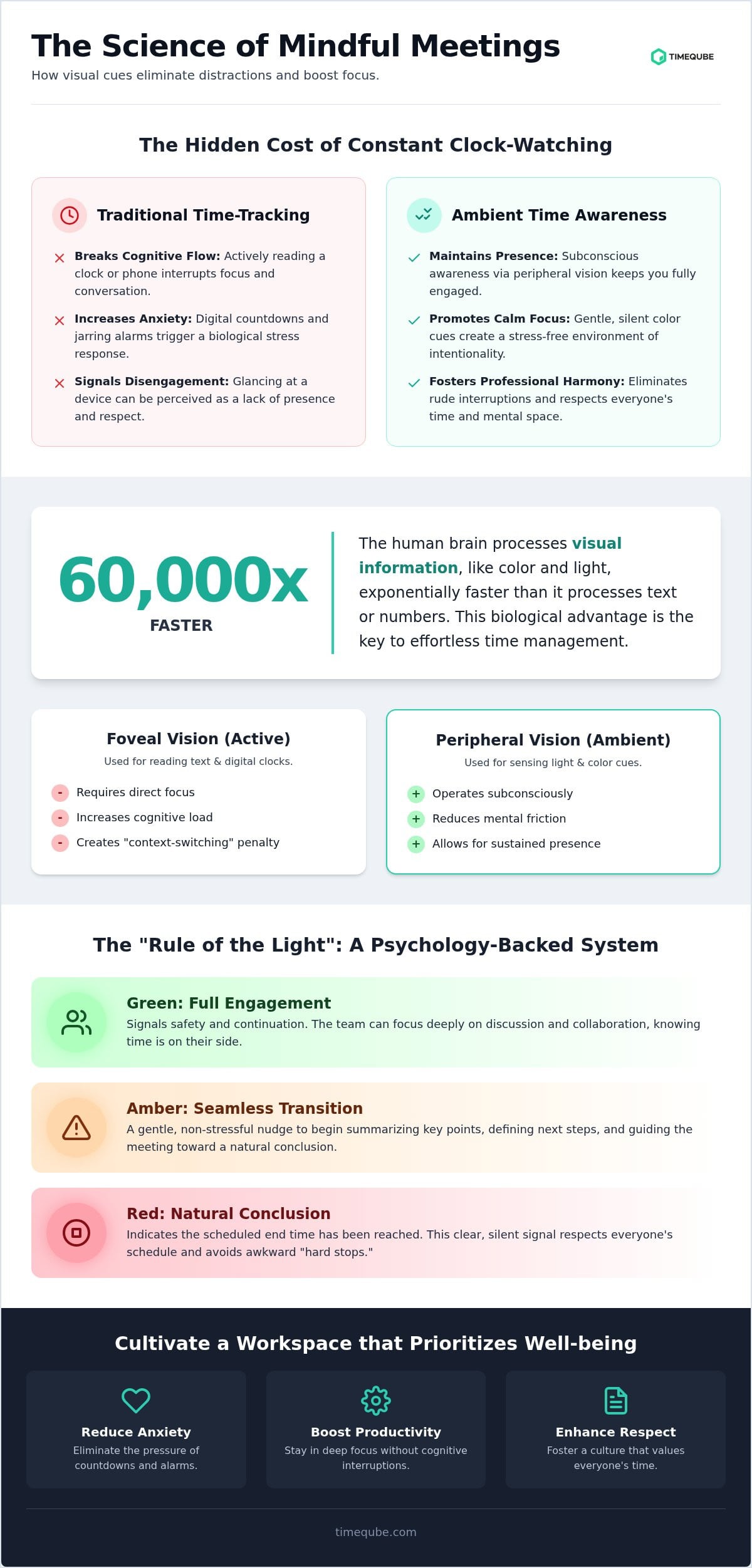
Peripheral time awareness is the ability to perceive time progression without direct focus. It operates in the background of your consciousness. Unlike traditional clocks, a physical meeting end time indicator leverages the brain’s natural capacity for environmental monitoring. It removes the friction of active time-tracking. This allows you to remain fully engaged in the conversation while your subconscious tracks the schedule. The human brain processes color signals significantly faster than digital numbers. This efficiency is a biological fact. When you use a visual indicator, you’re communicating with the oldest parts of your brain. You’re bypassing the slower, more taxing prefrontal cortex.
Foveal vs. Peripheral Vision in the Workspace
Foveal vision is what you use to read text or digital numbers. It requires precision. It demands your full attention. When you look at a digital countdown, your brain disengages from the speaker to process the digits. This creates a cognitive gap. Peripheral light cues bypass this entirely. They allow the brain to stay “present” in the meeting. Peripheral awareness is a tool for reducing meeting-induced stress. Consider how a visual timer can transform your workspace aesthetic while protecting your focus.
Digital countdowns often trigger a “race-against-the-clock” mentality. This is closely linked to the psychology of procrastination and performance pressure. A visual indicator replaces the pressure of a ticking second hand with a calm, steady glow. It addresses the subconscious mind. It creates a sense of safety. By removing the ticking countdown, you eliminate the underlying anxiety of time-tracking. This fosters an environment of professional harmony and intentionality.
The Color-Coded Psychology of Time
Human biology has a universal response to specific wavelengths. Green signals safety and continuation. Amber indicates a transition phase. Crucially, amber does not trigger a fight-or-flight response. It provides a gentle nudge to wrap up the current topic. Red signifies a natural conclusion. This system respects the biological limitations of the human brain. It’s a more sophisticated way to manage sessions. This color-coded system is explored further in our guide on why visual cues beat digital clocks. Using these cues ensures that transitions feel organic rather than forced.
Digital vs. Physical Meeting End Time Indicators
Digital interfaces are inherently crowded. They’re designed to capture attention through constant stimulation. When you rely on a software-based meeting end time indicator, you place a vital management tool in direct competition with emails, chat messages, and calendar alerts. This leads to “notification blindness.” The brain begins to filter out on-screen movement as background noise. Physical hardware operates on a different frequency. It exists outside the digital noise. It provides a dedicated signal that the mind doesn’t easily ignore. This removal of friction is essential for maintaining professional harmony.
Reliability is a major differentiator. Software timers often fail when they’re needed most. If you share your screen during a presentation, the in-app timer frequently disappears or becomes hidden behind other active windows. This reliability gap forces the leader to revert to manual clock-watching. It reintroduces the very anxiety we’re trying to eliminate. A physical indicator remains visible on the table regardless of what’s happening on your monitor. It’s an “always-on” solution for a fast-paced environment.
The Limits of Software-Based Timers
The frustration of software often begins before the meeting even starts. Digital timers frequently require manual configuration for every individual call. This adds to your pre-meeting administrative burden. In high-stakes environments, like executive coaching or therapy, a digital countdown can feel aggressive. It creates a “ticking clock” pressure that feels clinical and cold. This pressure can inhibit open communication. It makes the session feel like a race rather than a collaborative discussion. Software indicators are simply another notification in a world already saturated with digital fatigue.
The Benefits of a Dedicated Hardware Indicator
A physical device anchors the meeting space. It provides a tactile presence that software cannot replicate. This presence helps establish a clear boundary for the session. Using Timequbes for Business Meetings transforms the aesthetic of your boardroom or home office. It signals to your clients that you value their time and your own mental well-being. There is no configuration required mid-conversation. The hardware is ready when you are.
The aesthetic impact of hardware shouldn’t be underestimated. In a corporate setting, a minimalist physical device projects an aura of quiet confidence. It moves time management from a stressful digital chore to a sophisticated ritual. This approach respects the biological limitations of the human brain. It allows for a state of presence that software simply can’t sustain. By choosing a dedicated physical tool, you prioritize focus over distraction.
How to Implement Visual Cues for Seamless Meeting Transitions
Introducing a physical meeting end time indicator to a new group doesn’t have to be awkward. It’s a matter of setting a shared intention for the session. A simple opening statement is usually enough. Explain that the device is there to protect everyone’s focus and ensure the meeting finishes on time. This frames the tool as a collective benefit rather than a monitoring device. It establishes a culture of professional harmony from the first minute.
Establishing “The Rule of the Light” provides a clear protocol for the team. When the device is green, the discussion flows freely. The transition to amber is the most critical phase. This is your cue for a “soft landing.” Use this phase specifically for:
- Summarizing the key decisions made during the session.
- Assigning action items and deadlines to specific team members.
- Addressing any final, brief concerns before the session ends.
By using the amber phase for these administrative tasks, you avoid the stress of a “hard stop.” You don’t have to interrupt someone mid-sentence. The visual signal allows the speaker to find a natural breaking point. It transforms the end of the meeting from a sudden interruption into a purposeful conclusion.
Integrating Indicators into Therapeutic Sessions
In mind and body therapy, the environment is as important as the practice itself. A jarring alarm can break the “therapeutic bubble” and disrupt a client’s progress. Visual cues provide a gentle, non-verbal signal that the session is nearing its close. This allows the practitioner to maintain presence and empathy without checking a watch. You can learn more about these specialized applications by exploring Timeqube for Mind/Body Therapies. It’s about maintaining a tranquil space while respecting professional boundaries.
Visual Timers for Neurodivergent Professionals
For individuals with ADHD, “time blindness” is a common challenge. Traditional clocks often fail to provide the necessary structure because they require active monitoring. A visual meeting end time indicator provides a constant, externalized representation of time. It offers structure without the overstimulation of digital alerts. This helps neurodivergent professionals manage their cognitive load more effectively. Our guide on Time Management for Neurodiversity: Beyond Digital Clocks and Calendars examines these benefits in greater detail.
Ready to foster a more focused and stress-free environment for your team? Explore our range of visual meeting indicators to find the perfect fit for your workspace.
Timeqube: The Ultimate Meeting End Time Indicator Solution
Timeqube is a purposeful response to the digital fatigue that defines modern work. It embodies the transition from active monitoring to ambient awareness. By serving as a dedicated meeting end time indicator, it removes the friction of time management. Leading organizations are increasingly moving away from digital-only tracking. They recognize that software timers are often ignored or hidden during active collaboration. Timeqube provides a permanent, tactile presence that cannot be obscured by a screen share or a browser tab. It offers a sophisticated, almost philosophical solution to the problem of modern distractions.
The device uses peripheral light to guide meetings to a natural close. This isn’t a countdown. It’s a signal. By tapping into subconscious processing, it allows the brain to track the passage of time without the stress of a ticking clock. This method respects the user’s mental space. It projects an aura of professional harmony. When you use a physical tool, you signal to everyone in the room that the schedule is being managed with intentionality. It’s an unobtrusive ally in high-stakes environments.
A Design That Complements the Professional Workspace
The hardware is crafted with minimalist elegance in mind. It emits a soft, unobtrusive glow that feels natural in any setting, from a corporate boardroom to a private therapy office. This is a tool that requires no software, no apps, and zero configuration. You simply set it and focus on the human element of your work. It doesn’t compete for your attention; it supports it. For organizations looking to integrate this into their corporate culture, Branded Timequbes with Your Logo offer a way to align time management with brand identity. It turns a productivity tool into a statement of professional respect.
Investing in a Stress-Free Meeting Culture
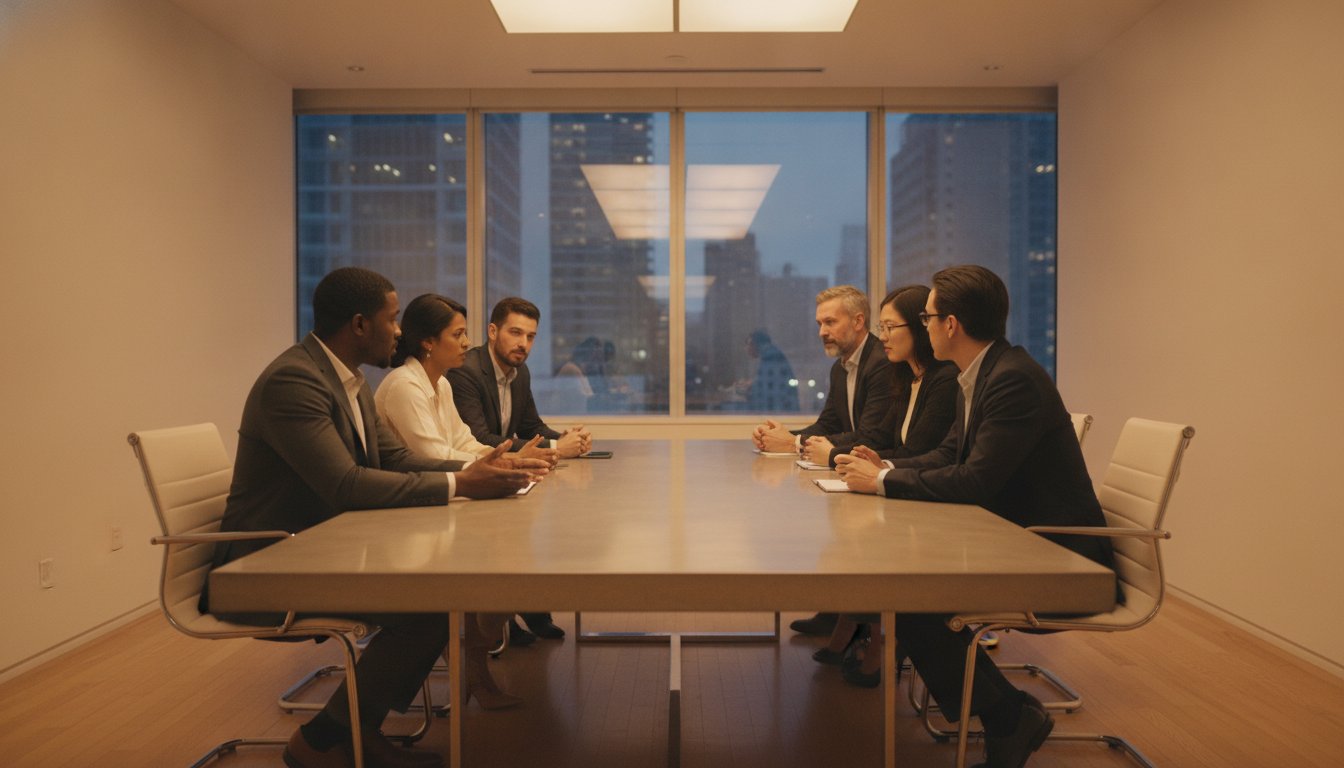
The “vibe” of a boardroom changes when you introduce a physical indicator. The underlying tension of “when will this end?” disappears. Participants feel a sense of security knowing the schedule is being managed subconsciously. This shift has a tangible long-term ROI. By ensuring meetings finish on time, you protect your team’s mental energy. You reduce the risk of employee burnout caused by back-to-back sessions that overrun. It’s a simple change that yields significant psychological benefits.
Timeqube is the logical conclusion for mindful productivity. It respects the biological limitations of the human brain. It fosters an environment where presence is the priority. When you remove the anxiety of the clock, you unlock the potential for deeper collaboration and more meaningful outcomes. It isn’t just about finishing on time. It’s about finishing well. This is the future of professional time management, where focus and well-being coexist without friction.
Embracing a Culture of Intentional Presence
To maintain this friction-free approach beyond the meeting room, freelancers can visit Timebook to integrate their time tracking with professional invoicing and bookkeeping.
Additionally, creating a comfortable and personalized office environment helps maintain that sense of well-being; for those looking to transform their collection of event shirts into a unique piece of custom textile art, find out more about the services offered by Just T-Shirt Quilts.
Modern time management isn’t about watching the clock. It’s about reclaiming your mental space. By understanding the biological advantage of peripheral awareness, you can transform your sessions from stressful chores into productive dialogues. A physical meeting end time indicator removes the cognitive friction caused by intrusive digital notifications. It allows you to remain fully present with your team or clients while maintaining a subconscious awareness of the schedule. This hardware-only approach is already trusted by leading therapists and corporate teams worldwide to ensure sessions reach a natural, respectful close.
Transitioning to a distraction-free environment is a choice that prioritizes long-term mental well-being. Whether you need custom logo options for your brand or a minimalist tool for high-stakes meetings, hardware solutions offer a reliability that software cannot match. It’s time to replace the pressure of the ticking countdown with the tranquil guidance of light. You have the power to create a workspace defined by focus and professional harmony.
Elevate your meeting culture with a professional Timeqube indicator and experience the science of stress-free productivity.
Frequently Asked Questions
What is a meeting end time indicator?
A meeting end time indicator is a visual tool designed to signal the progression of a session through color-coded light. It operates by communicating time status directly to the user’s peripheral vision. This removes the need for active clock-watching. By providing a constant but unobtrusive signal, it helps maintain the flow of conversation while ensuring the session concludes as scheduled. It’s a sophisticated solution for managing professional mental space.
How do visual timers help meetings end on time?
Visual timers leverage the brain’s ability to process light and color faster than text. As the device transitions through specific colors, it provides a subconscious nudge to wrap up discussions. This creates a “soft landing” rather than a jarring interruption. Participants naturally adjust their pace when they perceive the shift to an amber or red signal. This method respects the biological limitations of human attention and reduces the cognitive load of time-tracking.
Are physical meeting indicators better than digital timer apps?
Physical indicators are superior because they eliminate the distraction factor inherent in digital environments. A physical meeting end time indicator remains visible even during screen shares or browser tab changes. Digital apps often compete with notifications and can be easily obscured or ignored. Hardware provides a dedicated, tactile presence that anchors the meeting space. It ensures that the time signal is never hidden, facilitating a truly focused and distraction-free professional experience.
Can a meeting end time indicator help with ADHD or time blindness?
Yes, these tools are highly effective for managing neurodivergent challenges like time blindness. A meeting end time indicator externalizes the abstract concept of time into a concrete visual signal. This provides a constant, non-intrusive reminder of the remaining duration. For professionals with ADHD, this structure helps prevent hyperfocus from derailing the schedule. It offers a sense of security and clarity without the overstimulation often caused by digital alerts or ticking sounds.
Is it rude to use a timer during a client meeting or therapy session?
It’s actually a sign of professional respect. Using a silent, visual indicator demonstrates that you value your client’s time and your own mental presence. Unlike checking a phone or watch, which breaks eye contact and trust, a visual light cue remains in the periphery. It protects the “therapeutic bubble” by removing the need for verbal interruptions or jarring alarms. It fosters an atmosphere of professional harmony and intentionality.
How do I signal a meeting is ending without being awkward?
You can signal a conclusion naturally by following a color-coded protocol. When the indicator transitions to amber, use that phase to summarize key points and assign action items. This creates a transition period that participants recognize subconsciously. There is no need for a forced interruption. The visual signal allows everyone in the room to find a natural breaking point in the conversation, leading to a seamless and professional conclusion.
What colors are best for a meeting end time indicator?
The most effective colors follow the universal biological language of green, amber, and red. Green signals that the session is in a productive flow state. Amber indicates the transition phase, providing a gentle prompt to begin concluding the discussion. Red signifies the natural end of the meeting. These specific wavelengths are processed quickly by the human brain and don’t trigger a stress response, ensuring that time awareness remains calm and supportive.
Do I need software to use a physical meeting indicator like Timeqube?
No software or apps are required. Timeqube is a hardware-only solution designed for a completely distraction-free experience. This “zero-configuration” approach means you can set the device and focus entirely on your session. It removes the friction of mid-meeting technical adjustments or digital notifications. By operating independently of your computer or phone, it ensures that your time management tool remains reliable and unobtrusive in any professional setting.