Most people exploring counselling are choosing between three well-established approaches: Cognitive Behavioural Therapy (CBT), Psychodynamic Therapy, and Humanistic (often Person-Centred) Therapy. Each works differently, but all aim to help you feel and function better.
-
CBT focuses on how your thoughts, feelings, and behaviours interact—and gives you practical tools to change unhelpful patterns.
-
Psychodynamic therapy looks beneath the surface—past experiences, unconscious patterns, and relationship dynamics—to create deeper, lasting change.
-
Humanistic (Person-Centred) therapy offers a warm, non-judgemental space that helps you understand yourself, build self-acceptance, and find your own way forward.
Understanding the landscape
Choosing a therapy can feel a bit like choosing a new pair of shoes: there are plenty of good options, but the “right” one is the one that fits you. Therapies vary in how structured they are, how much they focus on the present versus the past, and how directive the therapist will be. Below, I’ll walk you through the three main types in plain English, with the kind of friendly guidance I’d give a mate over a cuppa.
1) Cognitive Behavioural Therapy (CBT)
What it is: A practical, present-focused approach that links thoughts (“I’m going to fail”), feelings (anxiety), and behaviours (avoidance). By experimenting with new ways of thinking and acting, you retrain the cycle.
What it helps: Anxiety disorders (including panic, phobias, health anxiety), low mood and depression, OCD, insomnia, and stress. It’s also widely used for chronic pain management and workplace burnout.
What sessions feel like: Expect a collaborative plan, clear goals, and “home practice” between sessions. You’ll learn tools such as thought-challenging, exposure in small, safe steps, and problem-solving. It’s structured, measurable, and often time-limited (for example, 8–20 sessions).
Why people choose it: You want skills you can use straight away, prefer a clear framework, and like tracking progress. If you enjoy worksheets, apps, or step-by-step strategies, CBT might feel like a good fit.
A gentle caution: Because it’s focused on the here-and-now, CBT may feel a little brisk if you’re craving space to explore deeper themes around identity, childhood, or long-standing relationship patterns.
2) Psychodynamic Therapy
What it is: A depth-oriented approach that explores how past experiences shape your current life—especially the patterns that keep repeating. It pays attention to the ‘unconscious’ (the bits we don’t yet see clearly) and to how your relationship with the therapist can mirror other relationships.
What it helps: Long-standing difficulties with self-esteem, intimacy, repeated conflicts, creative blocks, and complex grief. It can be especially helpful when problems feel chronic or puzzling (“Why do I end up here again?”).
What sessions feel like: More open-ended and reflective. There’s less homework and fewer worksheets; instead, you talk freely and notice what arises—memories, feelings, even dreams. Some people work short-term; others prefer longer-term therapy to reshape deeper patterns.
Why people choose it: You’re curious about the “why”, not just the “how”. You sense that understanding your story—and how it lives in the present—could unlock durable change.
A gentle caution: Progress can feel less linear. If you’re under time pressure and want immediate tools, you might prefer something more structured alongside it.
3) Humanistic (Person-Centred) Therapy
What it is: A warm, non-directive approach grounded in empathy, authenticity, and unconditional positive regard. Instead of telling you what to do, your therapist creates a genuinely accepting space where you can hear yourself think and feel.
What it helps: Life transitions, stress, identity questions, self-criticism, and situations where you “know” the answer intellectually but struggle to act on it. It’s excellent for building self-trust and confidence.
What sessions feel like: Gentle, spacious, and deeply respectful. You set the pace and the agenda. Over time, feeling properly understood helps you access your own inner compass and make choices that fit who you are.
Why people choose it: You’re seeking a compassionate sanctuary to clarify your values and direction—and you prefer discovering your own answers rather than following a plan.
A gentle caution: If you want a highly structured toolkit or a strong directive stance from the therapist, you may wish to blend this approach with CBT techniques.
So… which therapy should you choose?
Here’s a friendly rule of thumb. If you want practical tools quickly—perhaps for anxiety or insomnia—CBT is a great starting point. If you’re drawn to understanding recurring patterns or longstanding emotional themes, psychodynamic work can be transformative. If you’re craving a safe, non-judgemental space to reconnect with yourself and move at your own pace, humanistic therapy can be deeply healing.
It’s perfectly sensible to mix and match across your mental-health journey. Many people start with CBT to stabilise symptoms, then move into humanistic or psychodynamic work to consolidate change. Others do the reverse—beginning with exploration and adding skills when life throws curveballs. There’s no “right” sequence, only what serves you now.
Practical tips for getting started
Look for a therapist who feels like someone you could actually talk to on a difficult day. Check their training—CBT, psychodynamic, or humanistic/person-centred—and ask how they tailor sessions. A good therapist will explain their approach in plain terms, agree on goals with you, and review progress regularly. If it doesn’t feel like a fit after a few sessions, it’s okay to try someone else; this is your wellbeing, and the relationship matters.
Finally, be kind to yourself. Therapy isn’t about “fixing” a broken person; it’s about supporting a whole person who’s navigating a tough patch. Whether you choose CBT, psychodynamic, or humanistic therapy, you’re not starting from scratch—you’re starting from experience. And with the right support, experience becomes wisdom.
Featured products
-
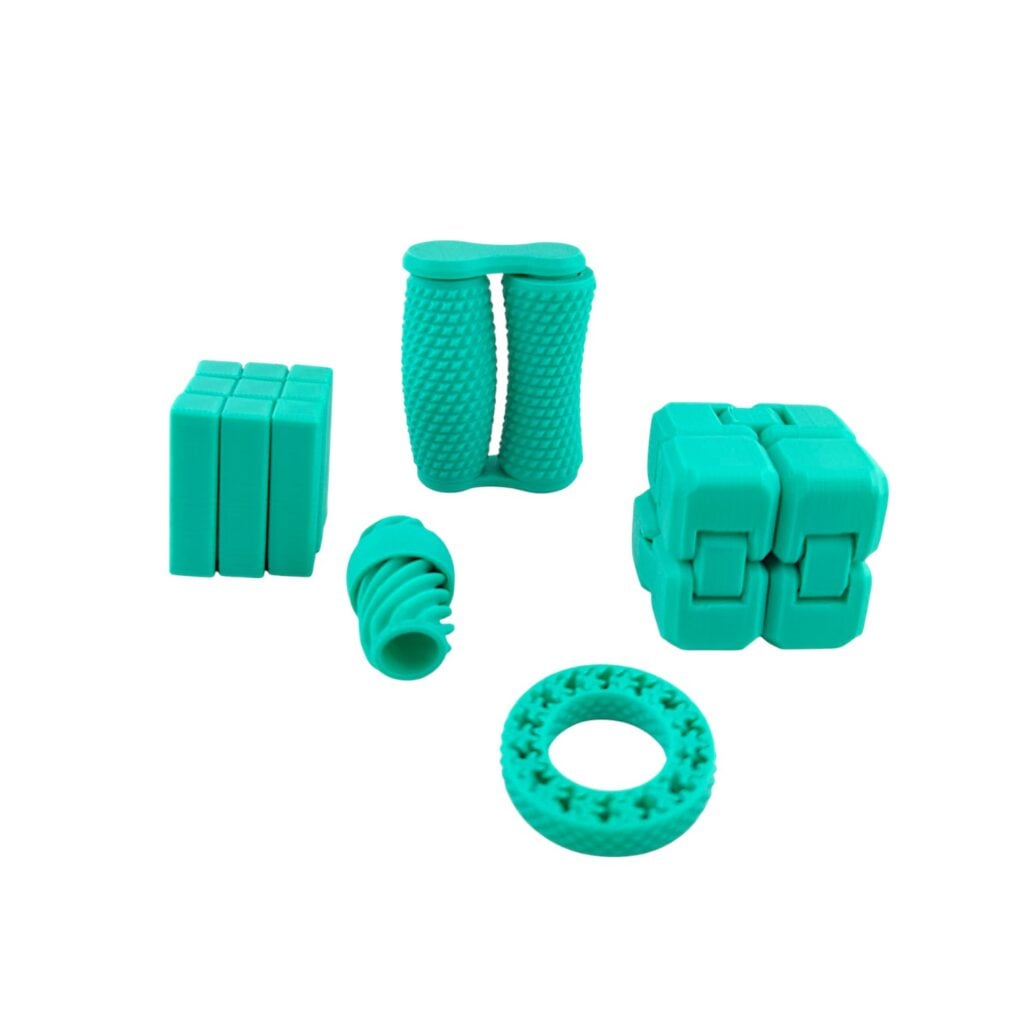
Timeqube 5-pieces Fidget Set
Original price was: $39.99.$24.99Current price is: $24.99. net with 0% VAT -
Timeqube Classic
Original price was: $109.90.$89.90Current price is: $89.90. net with 0% VAT -
Timeqube Home Office
Original price was: $109.90.$89.90Current price is: $89.90. net with 0% VAT -
Timeqube Infinity Cube Fidget [Preorder]
Original price was: $3.99.$1.99Current price is: $1.99. net with 0% VAT -
Timeqube Infinity Fidget Block [Preorder]
Original price was: $5.99.$3.99Current price is: $3.99. net with 0% VAT

![Timeqube Infinity Cube Fidget [Preorder]](https://timeqube.com/wp-content/uploads/2025/09/Infinity-Cube-Fidget-EDIT-3-1024x1024.jpg)
![Timeqube Infinity Fidget Block [Preorder]](https://timeqube.com/wp-content/uploads/2025/09/Infinity-Fidget-Block-EDIT-3-1024x1024.jpg)