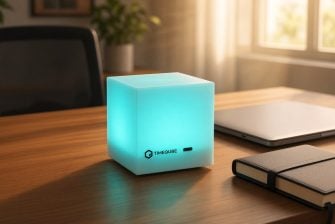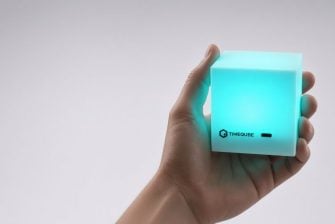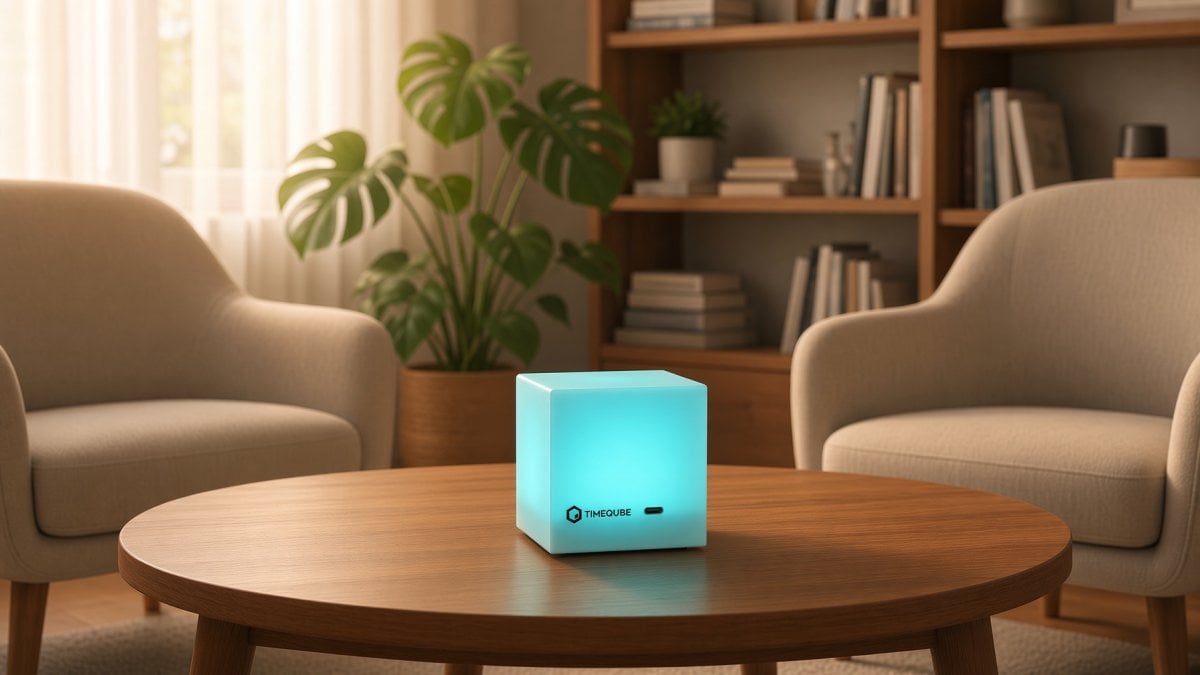

What if the most disruptive element in your therapy room isn’t the client’s trauma, but the sudden, shrill chirp of a phone alarm? You’ve likely experienced that delicate moment when a breakthrough is surfacing, only to be shattered by a digital beep. It feels like an intrusion into a sacred space. This often leaves clients feeling abruptly dismissed rather than gently transitioned. Mastering the clinical hour requires sophisticated session transition tools for therapists that prioritize professional harmony over noisy interruptions.
We understand the anxiety of staying on schedule while protecting the therapeutic container. You deserve a way to signal the end of an hour without breaking the emotional flow. This guide shows you how to maintain a 100% non-distractive environment through science-backed sensory tools. You’ll learn how leveraging parafoveal vision provides a subconscious awareness of time.
Key Takeaways
- Protect the therapeutic container by understanding how predictable time boundaries prevent sympathetic nervous system triggers during deep emotional processing.
- Evaluate the most effective session transition tools for therapists, prioritizing light-based systems that utilize parafoveal vision to remain 100% non-distractive.
- Identify why digital alarms and analog clocks often fail in clinical settings by causing unnecessary cognitive load or emotional disruption.
- Master the Three-Color Rule to transition clients naturally from deep work to a grounded, stress-free wrap-up using visual cues.
The Psychology of the Clinical Hour: Why Transitions Matter
The therapeutic container refers to the psychological space created between a practitioner and a client. This space relies on predictable boundaries to ensure safety and depth. Within the practice of Psychotherapy, time is perhaps the most rigid yet fragile boundary. When a session ends abruptly, the container ruptures. Integrating effective session transition tools for therapists allows for a graceful closing that preserves the work done during the hour. It ensures that the transition from deep emotional processing to the outside world feels like a descent rather than a drop.
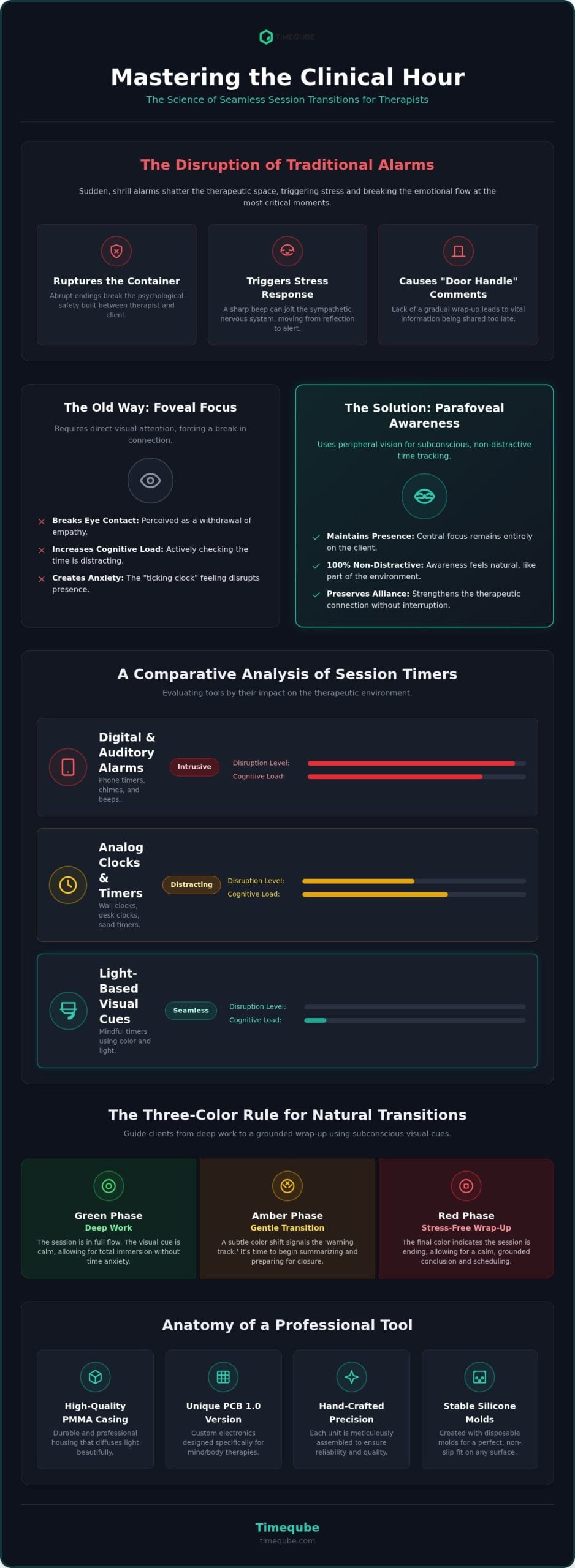
Sudden alarms do more than just signal the end of a meeting. They often trigger a sympathetic nervous system response. For a client in a vulnerable state, a sharp beep can feel like a physical jolt. It forces the brain from a state of reflection into immediate alert. This disruption often leads to "door handle comments" where vital information is shared only as the client leaves. This happens because the client didn’t feel a gradual "warning track" that the session was ending. When you manage time smoothly, you model healthy boundaries and reduce the anxiety of the unknown.
To better understand how these transitions function in practice, watch this helpful video:
Foveal Focus and the Therapeutic Alliance
Foveal vision represents the center of our visual field where acuity is highest. When you look at a traditional clock, you must shift your foveal focus away from the client. This break in eye contact can be perceived as a withdrawal of empathy. By using session transition tools for therapists that utilize peripheral or parafoveal vision, you maintain a constant presence. You perceive time through light and color while your central focus remains entirely on the client’s non-verbal cues. This allows for a sophisticated level of awareness that doesn’t sacrifice the therapeutic alliance.
The Stress Response to Traditional Timers
Auditory alerts are inherently intrusive. In a quiet room, even a soft chime can feel like an intrusion. The subconscious brain remains on high alert, anticipating the sound. This "ticking clock" anxiety prevents both parties from fully settling into the work. Visual cues provide a sophisticated alternative. They offer a non-distractive awareness that feels like a natural part of the environment. High-quality tools like the Timeqube for Mind/Body Therapies use this principle.
Essential Categories of Session Transition Tools
Choosing the right session transition tools for therapists involves balancing professional boundaries with sensory comfort. Clinicians typically categorize these tools by the primary sense they engage. Visual cues use light to signal time phases without sound. Tactile prompts include subtle vibration tools or weighted objects that ground the client in the present moment. Auditory transitions, like gentle chimes or fading white noise, provide a soft acoustic boundary. Analog tools, such as sand timers or mechanical clocks, offer a tactile and classic aesthetic for the office. Each category aims to maintain the essential elements of psychotherapy by ensuring time management remains an unobtrusive background process.
Visual Awareness and Parafoveal Stimulation
Leonardo da Vinci (1452 to 1519) studied the human eye extensively, noting its unique optical qualities. Modern science builds on this by distinguishing between foveal and parafoveal vision. Traditional clocks require foveal focus, which demands active attention and a break in eye contact. Visual tools placed in the peripheral field stimulate subconscious awareness instead. This allows for a 100% non-distractive environment. The therapist remains fully present. The brain tracks shifting light colors without needing to look away from the client. It is a sophisticated way to remove cognitive friction and maintain the flow of deep work.
Sensory Grounding Tools for Wrap-Up
Physical hardware provides a tangible sense of reality that digital screens cannot replicate. Using sensory objects, like a smooth stone or a hand-crafted timer, helps mark the shift from internal processing to external presence. Research into the EEG Alpha Band Response suggests that specific color stimuli can induce states of calm and focus. Transitioning through colors like green, orange, and red prepares the mind for the end of the hour. This sensory grounding is far more effective than a sudden digital notification. Physical objects act as anchors, helping the client transition back to the physical world after emotional exploration.
Digital vs. Analog vs. Visual: A Comparative Analysis
Choosing between digital, analog, and visual session transition tools for therapists requires a deep understanding of cognitive load. Digital tools are often the most accessible but prove the most intrusive. Analog clocks offer a classic aesthetic yet fail in precision and visibility across a room. Visual timers represent a sophisticated evolution, prioritizing the subconscious mind over active monitoring. This balance ensures the therapist remains an observer rather than a timekeeper. It’s a shift from checking a clock to simply being aware of the space.
Smartphone notifications are designed to capture attention. In a clinical setting, this is a liability. Every vibrate or pop-up notification pulls the practitioner out of the moment. This digital noise interferes with the delicate process of tailoring between-session therapy activities, as the transition becomes hurried and fragmented. Screens demand foveal focus. They create an artificial sense of urgency that can escalate client anxiety during the final minutes of a session. Relying on a phone feels unprofessional and signals a lack of presence.
The Problem with Screen-Based Timers
Digital countdowns often emit blue light, which is associated with increased alertness and digital anxiety. The constant flickering of numbers forces the brain into a state of high-acuity processing. This is why non-glossy, physical hardware is superior for session transition tools for therapists. A matte finish prevents glare and ensures the tool remains an unobtrusive part of the office landscape. It allows the therapist to maintain a tranquil environment where the focus stays on human connection. When the technology disappears into the background, the therapy can take center stage.
Hardware Durability in the Professional Office
Professional environments demand higher standards than mass-produced consumer electronics can provide. Hand-crafted, limited-batch tools offer a level of reliability essential for clinical work. The Timeqube for Mind/Body Therapies utilizes a dedicated PCB 1.0 version to ensure consistent performance without the software glitches common in apps. Its casing is made exclusively from high-quality PMMA. This material provides a premium weight and clarity that standard plastics lack. Even the stability of the device is carefully considered. Each unit features silicone tap legs cast from 3 disposable molds. This attention to detail reflects a visionary approach to design, where every component serves the goal of professional harmony.
Implementing Seamless End-of-Session Protocols
Successful therapy requires clear structure. Introducing session transition tools for therapists during the initial intake creates a shared understanding of boundaries. It demystifies the clinical hour. You explain that the tool is there to protect their space, not to rush it. This transparency builds immediate rapport. It frames the ending not as a dismissal, but as a planned conclusion. When the client understands the visual language of the room, they feel more secure in the process.
The "Three-Color Rule" provides a logical framework for the clinical hour. During the green phase, the focus remains entirely on deep emotional processing. As the light shifts to orange, it signals a natural move toward future planning or homework discussion. The final red phase is reserved for grounding. This sequence ensures the client isn’t left in a state of high arousal as they walk out the door. It’s a sophisticated way to handle the final five minutes with consistent grace. It allows the brain to downshift from intense reflection to practical awareness.
Collaborative Timekeeping with Clients
Traditional timekeeping often creates an uneven power dynamic. You become the gatekeeper of the clock. Ambient visual cues shift this balance. Clients gain the autonomy to monitor their own progress without looking away from the work. This is particularly effective for neurodivergent clients. Visual signals provide a concrete sensory anchor. They help manage the cognitive shift between tasks. It reduces the mental load of tracking time internally while maintaining foveal focus on the dialogue. The therapist and client become partners in the rhythm of the hour.
Addressing Resistance to Session Endings
Some clients struggle with the finality of the session end. They may feel a sense of abandonment or shock when told time is up. Predictable visual transitions mitigate this response. The slow change in color provides a subconscious warning. It allows the nervous system to begin regulating before the verbal cue arrives. Because the tool is 100% non-distractive, it doesn’t interrupt the alliance. It simply exists as a reliable, silent partner. This reliability fosters a deeper sense of trust. The hand-crafted PCB 1.0 version ensures this timing is always precise. Housed in a premium PMMA casing with legs formed from 3 disposable molds, it stands as a permanent, high-quality fixture in your clinical space.
Elevate your practice with the Timeqube for Mind/Body Therapies, designed to ensure every transition is seamless and stress-free.
The Timeqube Advantage: Scientific Timekeeping for Therapists
The philosophy of "Time, Passion, and Heart" drives every design choice at Timeqube. Most productivity tools focus on speed and high-energy output. Therapy demands the opposite. It requires a calm, steady presence. This is why the Timeqube for Mind/Body Therapies serves as one of the most effective session transition tools for therapists available today. It doesn’t just track minutes; it protects the mental well-being of both the practitioner and the client.
Each unit begins its journey in Zielona Góra. These aren’t mass-produced items coming off a factory line. They are limited-batch creations. For high-end boutique practices, maintaining a consistent brand is essential. Options like Timequbes with your logo allow you to integrate this sophisticated technology into your professional identity. It signals to your clients that every detail of their care has been considered with intentionality.
Hand-Crafted Precision for Professionals
The physical build of a Timeqube reflects the same precision Leonardo da Vinci (1452 to 1519) applied to his anatomical and optical studies. We use laser-cut PMMA for the casing to ensure absolute clarity and a premium feel. The assembly is done by hand, including the careful gluing of each component. Inside, the unique PCB 1.0 version provides the reliable, silent operation needed in a quiet therapy room. Even the stability is optimized. The silicone legs are cast from 3 disposable molds to ensure a perfect fit. Every unit arrives with an Early Adopter Certificate signed by the founders, marking it as a unique piece of professional equipment.
A Stress-Free Approach to Time Management
Reclaiming your mental space starts with removing friction. The non-glossy, 3D-printed on/off switch is a small but vital detail. It prevents distracting reflections and provides a tactile, satisfying interaction. This minimalist design fosters professional harmony. You no longer need to worry about the "kick-out" feeling at the end of the hour. Instead, you can rely on a tool that understands the biological limitations of the human brain. Using dedicated session transition tools for therapists allows you to focus on the human connection while the hardware manages the boundaries of time. It’s a sophisticated solution for the modern clinician who values presence over productivity metrics.
Elevating the Rhythm of Your Practice
Protecting the therapeutic container requires more than just clinical skill. It demands an environment free from digital friction. You’ve explored how intrusive alarms disrupt deep processing and how foveal focus on clocks can break the alliance. By integrating sophisticated session transition tools for therapists, you move from being a gatekeeper of time to a present observer. These tools allow for a seamless shift from deep work to grounding. This ensures your clients leave feeling held rather than dismissed.
The Timeqube offers a professional solution based on peer-reviewed visual attention research. Each device provides 100% non-distractive visual cues. This allows you to maintain presence without ever checking a screen. Our units are hand-crafted in limited batches, reflecting a commitment to quality that matches your own clinical standards. It’s time to reclaim your mental space and prioritize professional harmony in every hour.
Enhance your practice with the Timeqube for Mind/Body Therapies. You deserve a workspace that supports your well-being as much as your clients’.
Frequently Asked Questions
Why is peripheral vision better for timekeeping in therapy than central vision?
Peripheral vision allows for subconscious time awareness without breaking eye contact. Central vision requires foveal focus, which pulls your attention away from the client. By utilizing the parafoveal field, you can monitor the schedule while remaining entirely present. This reduces the cognitive load on the brain. It’s a sophisticated way to manage boundaries while maintaining the flow of a sensitive conversation.
How do I explain the use of a visual timer to a new therapy client?
You should introduce the tool during the intake as a way to protect the client’s time. Explain that the shifting colors provide a silent, gentle signal for transitions. This ensures that the end of the session isn’t a surprise. It frames the time boundary as a shared, predictable element of the therapeutic container. Clients often appreciate the transparency and the removal of sudden, jarring alarms.
Are light-based timers distracting for clients with ADHD or sensory processing issues?
Light-based timers are generally very helpful for neurodivergent clients. The steady, non-flickering light provides a calm sensory anchor rather than a distraction. Unlike digital screens with blue light or ticking analog clocks, it doesn’t cause sensory overload. It helps clients with ADHD manage time-blindness by giving them a concrete, visual way to track the session’s progress without feeling rushed or overwhelmed.
Can I use a visual timer for group therapy or family sessions?
Yes, visual timers are highly effective for group therapy or family sessions. They provide a shared temporal boundary that everyone in the room can see. This reduces the need for the therapist to act as a verbal timekeeper. It empowers the group to manage their own pace. The silent nature of the light ensures that the group’s emotional work isn’t interrupted by a sudden chime.
What is the "100% non-distractive" claim based on?
Peripheral vision research shows that information processed outside the foveal center doesn’t require conscious attention. This biological fact allows the therapist to remain fully engaged with the client’s non-verbal cues. It’s why light-based systems are considered 100% non-distractive. This scientific approach defines the best session transition tools for therapists, ensuring that time management never interrupts the therapeutic alliance.
How does a visual timer help with "door handle comments" at the end of a session?
Visual timers provide a gradual "warning track" through color changes. When the light shifts to orange, it signals that the session is moving toward a close. This gives the client a subconscious prompt to share any final thoughts before the hour ends. It significantly reduces the frequency of "door handle comments" because the transition feels like a natural descent rather than an abrupt stop.
How do I set the time durations for a standard 50-minute clinical hour?
Most practitioners set the tool for a 50-minute total duration to match the standard clinical hour. The device then transitions through green, orange, and red phases automatically. This provides a clear, consistent rhythm for using session transition tools for therapists in every session. It allows you to move naturally from deep work into the wrap-up phase without needing to manually adjust settings or check a clock.