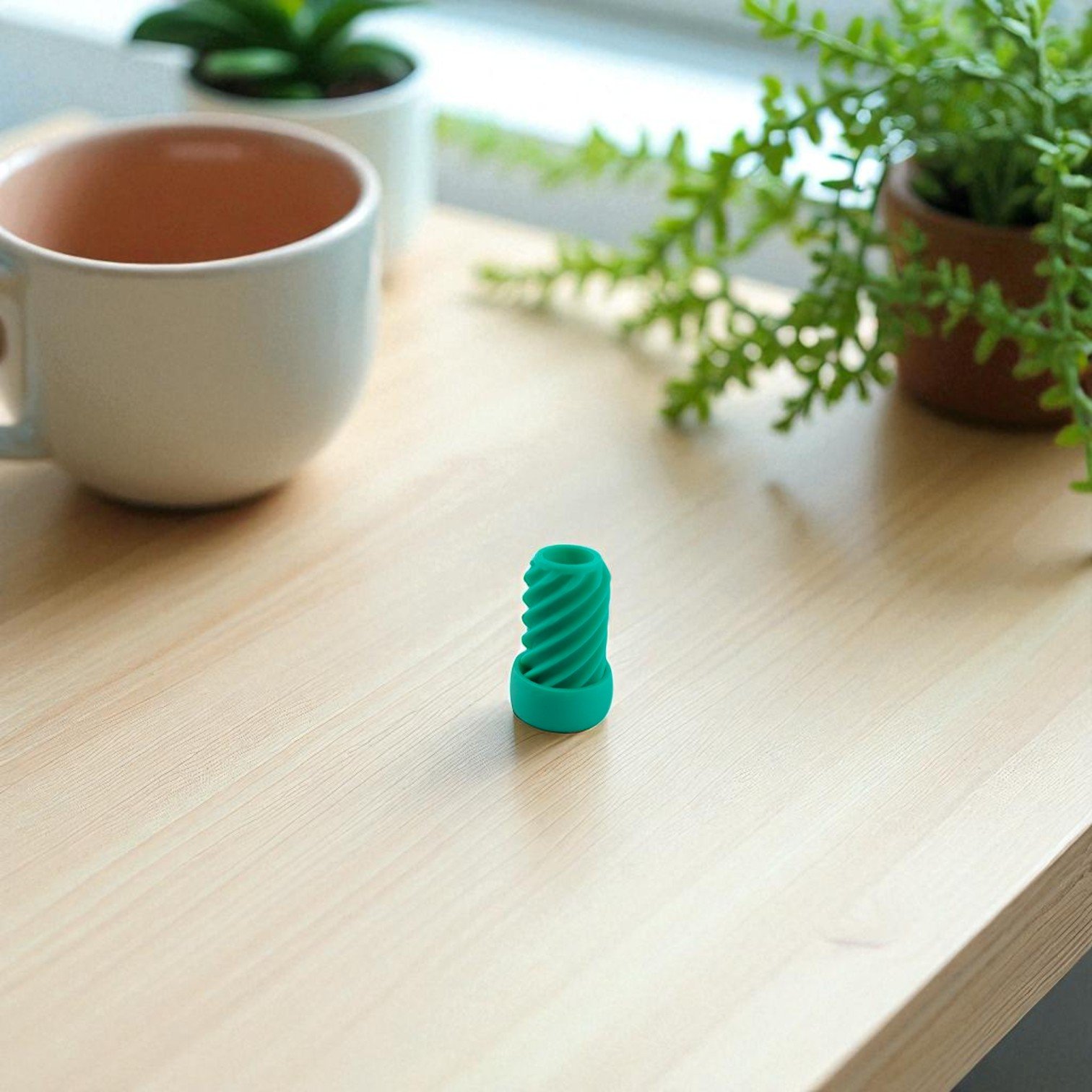

When you hear the phrase fidget device, you might picture children spinning colourful gadgets or squeezing stress balls in class. Yet fidget tools are far from toys—and they’re not just for kids. Increasingly, adults in workplaces and study environments are discovering that the simple act of fidgeting can be a powerful ally for focus, stress relief, and productivity.
The Myth of Stillness
For decades, our culture has equated stillness with concentration. Sitting perfectly upright, hands folded, gaze fixed—this was seen as the gold standard of attentiveness. But neuroscience paints a different picture. Human brains are not wired for static focus over long periods. In fact, gentle movement can help regulate attention, process sensory input, and keep energy levels stable. For adults, especially those working at desks or in prolonged study sessions, incorporating micro-movements can reduce mental fatigue and improve output.
Why Adults Fidget (Even If They Don’t Realise It)
If you’ve ever tapped a pen during a meeting, doodled in the margins of your notebook, bounced your knee under the desk, or clicked your mouse unnecessarily, you’re already fidgeting. These small, repetitive actions provide a sensory outlet that helps the brain stay engaged. The problem is that improvised fidgeting—pen clicking or foot tapping—can be distracting to others. Purpose-designed fidget devices channel that need for movement in quieter, more controlled ways.
Benefits of Fidget Devices for Adults
-
Improved Focus and Concentration
Fidgeting stimulates areas of the brain associated with attention. By giving your hands something to do, you free up cognitive resources for problem-solving, listening, or reading. Studies show that subtle tactile input can actually enhance memory retention and comprehension. -
Stress and Anxiety Reduction
Many fidget devices, like stress balls or smooth sensory stones, provide calming tactile feedback. Repetitive squeezing, rolling, or spinning movements activate the parasympathetic nervous system, lowering stress levels during high-pressure tasks. -
Support for Neurodivergent Brains
Adults with ADHD, autism, or sensory processing differences often rely on fidget tools to self-regulate. But neurotypical adults benefit as well—particularly in environments that demand extended concentration, such as board meetings, study sessions, or creative brainstorming. -
Increased Productivity and Creativity
Short breaks for micro-movements can prevent mental blocks and help reset your focus. Fidgeting creates just enough background stimulation to allow deeper problem-solving and lateral thinking. -
Physical Health Perks
Remaining completely still for hours can cause stiffness, poor circulation, and fatigue. Incorporating small hand movements helps maintain a baseline of activity that supports better physical comfort throughout the day.
Choosing the Right Fidget Device
The best fidget tool is one that fits seamlessly into your environment. Quiet, discreet options—such as smooth worry stones, silent fidget cubes, or textured rings—are ideal for offices and classrooms. More active tools, like stress balls or handheld rollers, work well in home study spaces. The key is to experiment and see which textures, resistances, and movements feel most natural and satisfying for you.
Breaking the Stigma
Some adults hesitate to use fidget devices because they fear being seen as unprofessional or childish. Yet attitudes are changing rapidly. Forward-thinking workplaces and universities now recognise the benefits of fidgeting for mental performance. Normalising these tools is not about indulging a quirk—it’s about empowering adults with accessible, low-cost strategies to boost their wellbeing and effectiveness.
Final Thought
Whether you’re preparing for an exam, leading a meeting, or simply navigating the demands of daily life, fidget devices can be subtle but powerful allies. Far from being a distraction, they’re a practical tool for self-regulation, focus, and stress relief. In short: every adult deserves permission to fidget.